
Should You Stop Eating After 6 PM? Research-Backed Benefits for Weight, Digestion, and Sleep

Eating after 6 PM is not automatically “bad.” A bowl of soup at 7:30 will not ruin your health. Still, research on meal timing, circadian rhythm, and late-night eating points to a useful pattern: many people feel and function better when they stop eating earlier in the evening.
The 6 PM rule is simple, which is part of its appeal. It creates a clear end point for the day’s eating window. That can reduce grazing, support weight management, give digestion more room to settle, and make sleep easier.
The key is understanding why it works, when it doesn't, and how to try it without turning dinner into a stressful deadline.
This article is for general education only and is not medical advice. Anyone managing diabetes, pregnancy, an eating disorder history, gastrointestinal disease, or a prescribed nutrition plan should speak with a qualified health professional before changing meal timing.

Why the timing of dinner matters
For years, nutrition advice focused mostly on what people eat and how much. Those still matter most. No meal-timing habit can cancel out a diet that is consistently too high in calories or too low in nutrients.
But timing also plays a role.
The body follows a circadian rhythm, a roughly 24-hour internal clock that affects sleep, hormones, digestion, body temperature, and metabolism. Research suggests the body tends to handle glucose and large meals better earlier in the day than late at night. Insulin sensitivity, digestive activity, and energy use all shift across the day.
That means a meal eaten at 10 PM may not affect the body the same way as the same meal eaten at 6 PM, especially if it is large, rich, or followed by lying down.
Late eating can also change behavior. In the evening, many people eat less out of hunger and more out of habit, boredom, stress, or screen time. Snacks eaten after dinner are often calorie-dense and easy to overdo, such as chips, sweets, ice cream, takeout, or alcohol.
A 6 PM cut-off helps for two reasons:
It aligns eating more closely with the body’s daytime metabolism.
It removes a common window for unplanned snacking.
That combination can be powerful, even when the rule itself is not magic.
How stopping after 6 PM may help with weight management
Weight management still comes down largely to energy balance. If stopping after 6 PM helps reduce total daily calories without causing rebound hunger the next day, it may support gradual weight loss or weight maintenance.
The benefit is often practical, not mysterious.
Many evening calories are “extra” calories. They come after dinner, while watching TV, scrolling on a phone, finishing chores, or staying up late. Research on late-night eating has linked it with higher daily calorie intake in some groups. Studies on time-restricted eating also suggest that narrowing the eating window can help some people eat less without deliberate calorie counting.
Stopping after 6 PM can reduce:
Repeated trips to the pantry
Dessert that turns into dessert plus snacks
Alcohol paired with late-night food
Eating because the day felt stressful, not because the body needs fuel
This is one reason early time-restricted eating has gained attention. In this approach, people eat calories during an earlier window, such as breakfast through early dinner, rather than late morning through late evening. Some research suggests this pattern may improve appetite control and metabolic markers, even when calorie intake is similar.
That said, the rule can backfire if it leads to under-eating during the day. Skipping lunch, eating a tiny dinner, and then forcing a 6 PM stop may leave someone hungry, irritable, and more likely to overeat later.
A better goal is not “eat as little as possible before 6.” It is to eat enough satisfying food earlier, then let the kitchen close.
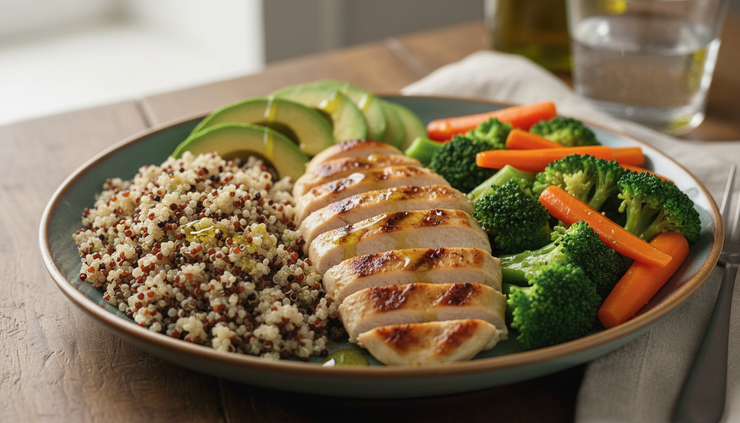
A balanced early dinner should include:
Protein, such as fish, chicken, eggs, tofu, beans, Greek yogurt, or lean meat
High-fiber carbohydrates, such as potatoes, brown rice, oats, lentils, fruit, or whole grains
Colorful vegetables
Healthy fats, such as olive oil, avocado, nuts, or seeds
That kind of meal gives the 6 PM habit a real chance to work.
Earlier eating may support digestion
Digestion slows during sleep. Eating a large meal close to bedtime can leave the stomach working when the body is trying to wind down. For some people, this leads to discomfort, bloating, nausea, or reflux.
Stopping after 6 PM creates a longer gap between dinner and bedtime. If bedtime is around 10 PM, that gives the body about four hours to digest. This can help people who feel worse after late meals, especially meals that are heavy, spicy, fried, or high in fat.
The digestive benefits may include:
Less nighttime reflux
Less bloating before bed
Fewer stomach discomfort episodes during sleep
A lighter feeling in the morning
Reflux is a clear example. Lying down soon after eating can make it easier for stomach contents to move upward, especially after a large or high-fat meal. Many clinicians suggest leaving a few hours between dinner and bed for people with reflux symptoms.
This does not mean everyone needs the same cut-off. Someone who goes to bed at midnight may do fine with a 7:30 PM dinner. Someone who sleeps at 9:30 PM may benefit from finishing earlier. The real principle is to create enough space between your last meal and sleep.
The 6 PM rule is one way to do that.
For better digestion, the final meal of the day should be steady, not oversized. If dinner becomes huge because it is the “last chance” to eat, the benefit shrinks. A moderate, balanced meal works better than a rushed feast.
Better sleep can start with an earlier dinner
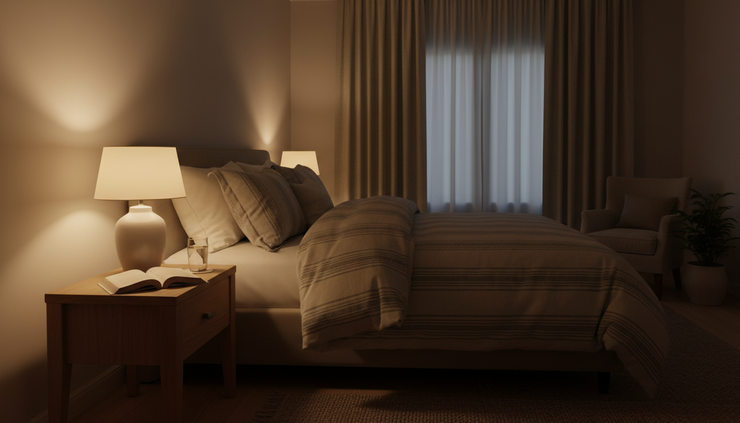
Sleep and food timing are closely connected. Late meals can affect sleep in several ways.
First, digestion raises body activity. The body may need to process a meal when it would otherwise be shifting toward rest. Second, late eating can worsen reflux or discomfort, which can cause waking during the night. Third, certain late-night choices, such as alcohol, chocolate, sugary desserts, and caffeine-containing drinks, can interfere with sleep quality.
Research has linked late-night eating with shorter or poorer sleep in some populations. The relationship goes both ways. Poor sleep can increase hunger and cravings the next day, and late eating can worsen sleep. That cycle can become hard to break.
Stopping after 6 PM gives the evening a clearer rhythm:
Dinner ends.
The kitchen closes.
The body begins winding down.
Sleep becomes the next priority.
This rhythm matters because sleep is not just rest. It supports appetite hormones, blood sugar control, mood, recovery, and decision-making. A better night of sleep can make it easier to choose nourishing foods the next day.
Some people notice the sleep benefit quickly. They may wake less often, feel less heavy at bedtime, or have fewer heartburn episodes. Others notice little difference. That does not mean the habit failed. It may simply mean stress, caffeine, light exposure, inconsistent bedtimes, or another factor affects their sleep more.
When eating after 6 PM makes sense
A strict 6 PM cut-off is not right for every person or every day. Food rules should support health, not create stress or social isolation.
Late eating may be reasonable or necessary in several situations.
Late work hours
People who work evening shifts, healthcare shifts, restaurant jobs, security, transportation, or other nonstandard schedules may not have a realistic dinner break before 6 PM. In that case, the principle matters more than the clock. Try to finish your largest meal several hours before sleep, even if that meal happens after 6.
Social events
Meals are part of birthdays, holidays, family gatherings, dates, and dinners with friends. Skipping every evening event can make a health habit feel punishing. A flexible approach works better for most people. Eat normally, enjoy the event, and return to the routine the next day.
Heavy training loads
Athletes and highly active people may need more calories, protein, and carbohydrates than they can comfortably fit before 6 PM. After a long evening run, sports practice, strength session, or demanding physical job, a recovery meal or snack may be the healthier choice.
Good later options after training include:
Greek yogurt with fruit
Eggs and toast
A smoothie with protein and fruit
Rice, chicken, and vegetables
Cottage cheese with berries
A peanut butter banana sandwich
Medical or personal nutrition needs
Some people need food at specific times due to medication, blood sugar concerns, pregnancy, recovery from illness, or a history of disordered eating. For them, strict fasting windows can be risky. A personalized plan is safer.
The main point is simple: 6 PM is a tool, not a moral line. Using it most nights can help, but breaking it when life calls for it does not erase progress.
How to try the 6 PM habit without making it miserable
The best version of this habit feels steady, not extreme. Start with a small experiment and look for clear feedback from your body.
Try it for 10-14 days. Track simple signals, such as hunger, sleep quality, digestion, energy, mood, and late-night cravings. Do not judge the habit from one unusual night.
Here are practical ways to make it easier.
Move dinner earlier in stages
If dinner usually happens at 8:30 PM, jumping straight to 5:45 PM may feel harsh. Shift dinner earlier by 15 to 30 minutes every few days.
A gradual shift gives appetite and routines time to adjust.
Build a better afternoon snack
Many people overeat at night because lunch was too small or too early. A planned afternoon snack can prevent that.
Good choices include:
Apple slices with peanut butter
Greek yogurt with nuts
Hummus with vegetables and pita
A protein smoothie
Cheese and whole-grain crackers
Turkey or tofu lettuce wraps
The goal is to arrive at dinner hungry, not desperate.
Set a kitchen closing cue
A cue helps the brain understand that eating is done for the day.
Try one of these:
Make herbal tea.
Pack leftovers right after dinner.
Brush your teeth.
Turn off bright kitchen lights.
Take a short walk.
Start a relaxing routine away from the kitchen.
The cue matters because habits respond well to repetition.
Keep the rule flexible
A rigid rule often leads to all-or-nothing thinking. If dinner lands at 6:45 PM one night, that is not failure. If a family gathering runs late, enjoy it.
A helpful target might be “I stop eating by 6 PM on most weeknights” or “I leave at least three hours between dinner and bed.” Both are more realistic than perfection.
Watch for warning signs
The habit may not be a good fit if it causes:
Strong anxiety around food
Binge eating later at night
Poor training recovery
Dizziness or low energy
Trouble meeting calorie or protein needs
Social withdrawal
Health habits should improve life. If the rule makes eating feel fearful or chaotic, loosen it or get support.

A balanced takeaway
Stopping eating after 6 PM can be a useful health habit, especially for people who snack at night, struggle with reflux, or sleep poorly after late meals. Research on circadian rhythm, meal timing, and time-restricted eating suggests earlier eating may support weight management, digestion, blood sugar patterns, and sleep quality.
But the clock is not magic. The benefits come from a mix of better structure, fewer late calories, more time to digest, and a calmer path toward bedtime.
For many people, the smartest approach is simple: eat enough during the day, choose a satisfying early dinner, close the kitchen most nights, and stay flexible when work, training, health needs, or real life call for a later meal.
If the 6 PM rule helps you feel lighter, sleep better, and make steadier choices, it may be worth keeping. If a different cut-off fits your schedule better, use that. The best meal timing plan is the one that supports your health without taking over your life.


Comments