
Beat the Summer Slump: 7 Research-Backed Tips to Stay Energized

Summer heat can drain your energy and leave you feeling sluggish. When temperatures rise, many people struggle to maintain their usual productivity and focus. Research shows that heat affects the body’s ability to regulate temperature and can lead to fatigue, dehydration, and reduced mental sharpness. Fortunately, there are practical ways to stay energized even on the hottest days. This post shares seven science-backed tips to help you beat the summer slump and keep your energy levels
high.

Drink Plenty of Water Throughout the Day
Dehydration is one of the main causes of sluggishness in hot weather. When your body loses water through sweat, your blood volume decreases, making your heart work harder and reducing oxygen flow to muscles and the brain. This leads to tiredness and difficulty concentrating.
Research recommends drinking water regularly, even if you don’t feel thirsty. Aim for at least 8 cups (about 2 liters) daily, and increase this amount if you spend time outdoors or exercise. Adding electrolytes like sodium and potassium can help maintain fluid balance, especially after heavy sweating.
Tip: Carry a reusable water bottle and set reminders to drink water every hour. Avoid sugary drinks and excessive caffeine, as they can increase dehydration.

Eat Light, Balanced Meals Rich in Nutrients
Heavy meals can make you feel sluggish, especially in the heat. Digestion requires energy and increases body temperature, which can worsen fatigue. Research suggests eating smaller, more frequent meals with a balance of carbohydrates, protein, and healthy fats.
Focus on foods that are easy to digest and high in water content, such as fruits, vegetables, and salads. Foods rich in magnesium and B vitamins, like nuts, seeds, and whole grains, support energy production. Avoid fried and processed foods that can weigh you down.
Example: A lunch of grilled chicken, quinoa salad with cucumbers and tomatoes, and a side of watermelon can keep you energized and hydrated.

Take Advantage of Cooler Times for Physical Activity
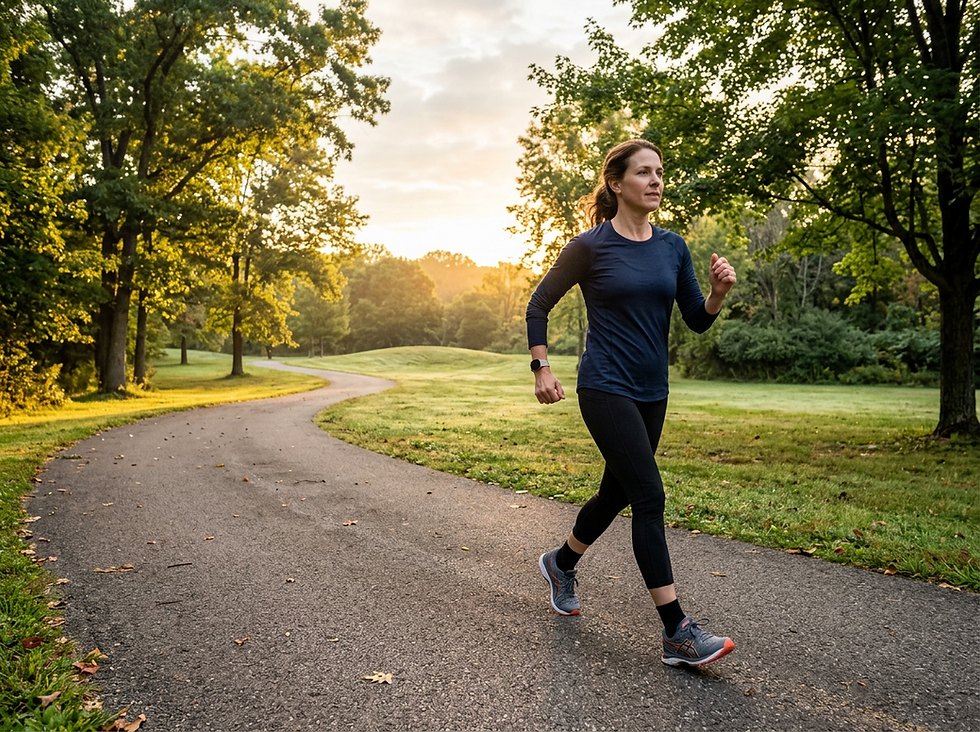
Exercise boosts energy by improving blood flow and releasing endorphins, but working out in extreme heat can backfire. Studies show that exercising during cooler parts of the day, such as early morning or late evening, helps maintain stamina and prevents overheating.
If you must exercise during the day, choose shaded areas and lower-intensity activities like walking or yoga. Always listen to your body and stop if you feel dizzy or excessively tired.
Use Cooling Techniques to Lower Body Temperature
Keeping your body cool helps reduce fatigue caused by heat stress. Research highlights several effective cooling methods:
Use fans or air conditioning indoors
Take cool showers or baths
Apply cold compresses to pulse points like wrists and neck
Wear lightweight, breathable clothing made of natural fibers like cotton or linen
These techniques help your body maintain a comfortable temperature, improving alertness and comfort.
Prioritize Quality Sleep in a Cool Environment
Heat can disrupt sleep, leading to tiredness the next day. Research shows that the ideal bedroom temperature for sleep is between 60 and 67 degrees Fahrenheit (15-19 degrees Celsius). A cooler room helps your body lower its core temperature, which is necessary for restful sleep.
Use fans, air conditioning, or open windows to keep your sleeping area cool. Avoid heavy bedding and opt for moisture-wicking sheets. Establish a relaxing bedtime routine and limit screen time before bed to improve sleep quality.
Take Short Breaks and Practice Mindful Breathing
Mental fatigue often accompanies physical sluggishness in the heat. Taking short breaks during work or daily tasks can restore focus and energy. Research supports the benefits of mindful breathing exercises for reducing stress and increasing oxygen flow to the brain.
Try the 4-7-8 breathing technique: inhale through your nose for 4 seconds, hold your breath for 7 seconds, then exhale slowly through your mouth for 8 seconds. Repeat this cycle a few times during breaks to refresh your mind.
Stay Connected with Nature and Natural Light
Spending time outdoors in natural light can boost mood and energy. Studies show that exposure to sunlight helps regulate circadian rhythms, improving alertness during the day and sleep at night. However, avoid direct sun during peak heat hours to prevent overheating.
Find shaded parks, gardens, or waterfronts where you can relax and breathe fresh air. Even a few minutes outside can increase vitamin D levels and reduce feelings of sluggishness.
Summer heat does not have to mean low energy and sluggish days. By drinking enough water, eating light meals, timing your activities wisely, and using cooling strategies, you can maintain your vitality. Prioritizing good sleep and taking mindful breaks further supports your body and mind. Finally, connecting with nature in shaded areas refreshes your spirit and helps you stay alert.
Try incorporating these research-backed tips into your daily routine to beat the summer slump. Your body will thank you with more energy and better focus, even when the temperature rises.


Comments